
Birds took flight over fight as their evolutionary defense


Stories and infographics by ‘Talker Research’ are available & ready to use. Stories and videos by ‘Talker News’ are managed by Talker Inc. For queries, please submit an inquiry via our contact form.















Cómo los amigos que saben de finanzas pueden ahorrarte mucho dinero
Tener un amigo que sepa de finanzas te ahorra unos $500 al año, según una nueva encuesta. La encuesta de...


7 de cada 10 trabajadores temporales temen la temporada navideña este año
Los trabajadores temporales dependen de empleos estacionales para llegar a fin de mes esta temporada navideña, según una nueva encuesta....


Encuesta revela el 56% quiere saber cuándo una marca usa IA
La mayoría de las personas (66%) se sienten cómodas usando IA en su vida personal y profesional, pero todavía hay...
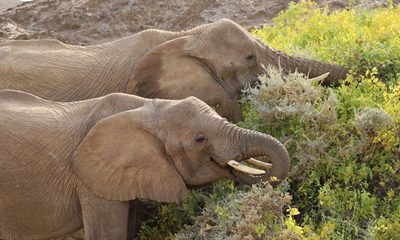

Circle of life? Elephant remains draw grazing animals for years
Scientists discovered that the location where one of the iconic mammals dies becomes a “nutrient hot spot.”


Postcard signed by all four Beatles to fetch thousands at auction
All four of the Fab Four's signatures are on the postcard.

 Tech4 days ago
Simple formula could predict when AI chatbots will go ‘rogue’

 Money16 hours ago
How financially savvy friends can save you tons of cash

 Outer Space15 hours ago
NASA shares stupendous ‘smiling’ galaxy clusters

 Animals5 days ago
What is keeping the world’s oldest tortoise going at 194?

 Animals5 days ago
Giant tortoise population thriving as 180,000 found on one island

 Health17 hours ago
Can eating a pack of peanuts daily help improve your memory?

 Science5 days ago
Signal from space provides new insight into early universe

 Science5 days ago
Battery-free future? Mesh grown with cells makes its own power
